
Our July newsletter covers the entire summer, and will carry us almost to the beginning of the High Holidays. “Too soon!” I hear you cry. “The summer has just begun, and already you’re talking repentance?!” But this year, through a quirk of the Jewish calendar, the autumn holidays are very early – with Rosh Hashanah Continue Reading »
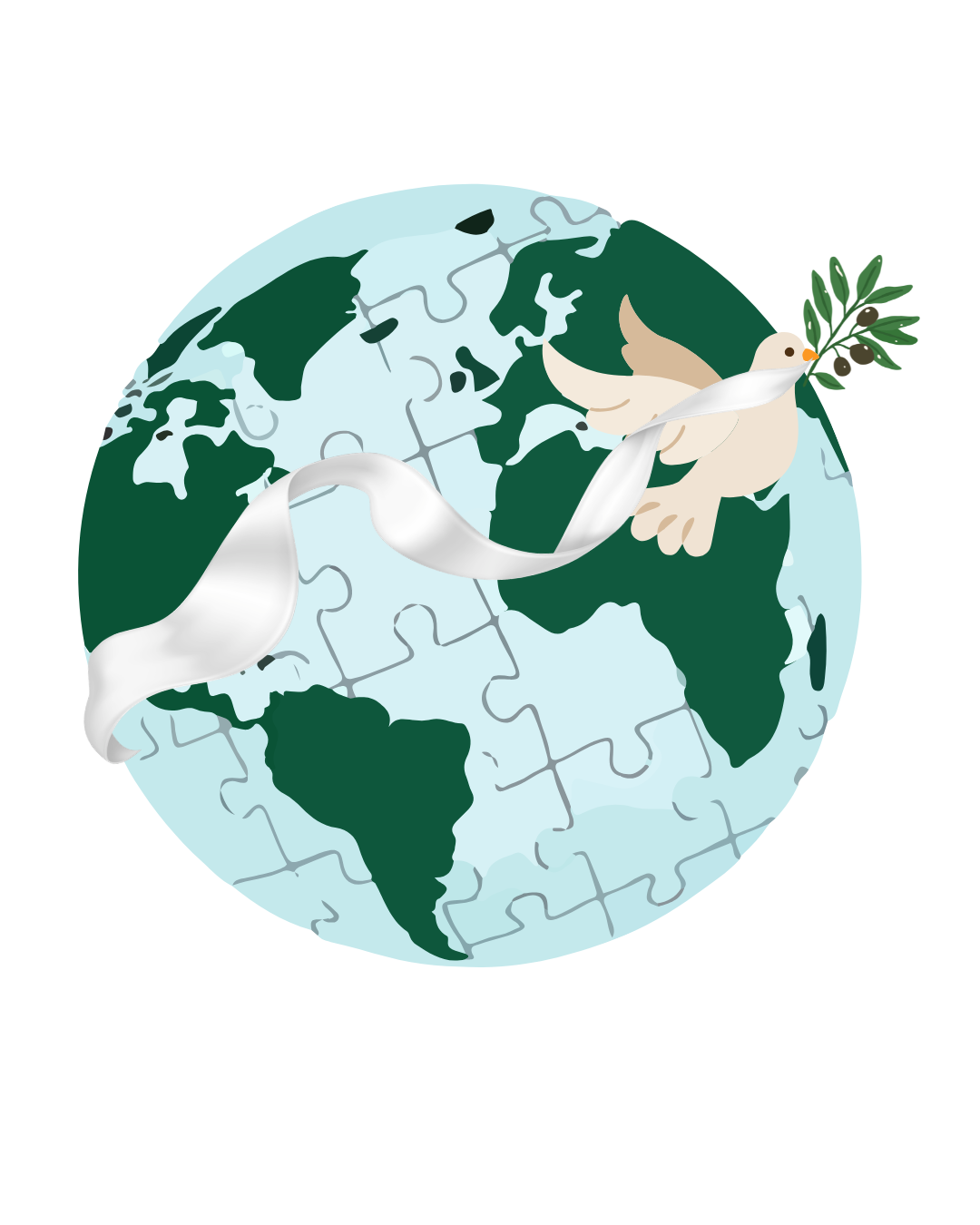
Dear family of friends, Those of you who come to synagogue often and are familiar with the liturgy may have noticed that I rarely recite the traditional Aleinu prayer at the end of services. We have a beautiful version in our prayer book in which we acknowledge the “Master of All, who suspends the heavens Continue Reading »
בָּרוּךְ אַתָּה ה׳ אֱלֹהֵינוּ מֶלֶךְ הָעוֹלָםאֲשֶׁר קִדְּשָׁנוּ בְּמִצְוֹתָיו וְצִוָּנוּ לַעֲסֹק בְּצָרְכֵי צִבּוּר Blessed are you, Adonai our God, Sovereign of time and spacefor for making us holy with your commandments, and commanding us to engage with the needs of community. – After the traditional Prayer for Community Dear family of friends, If you’ve ever been Continue Reading »
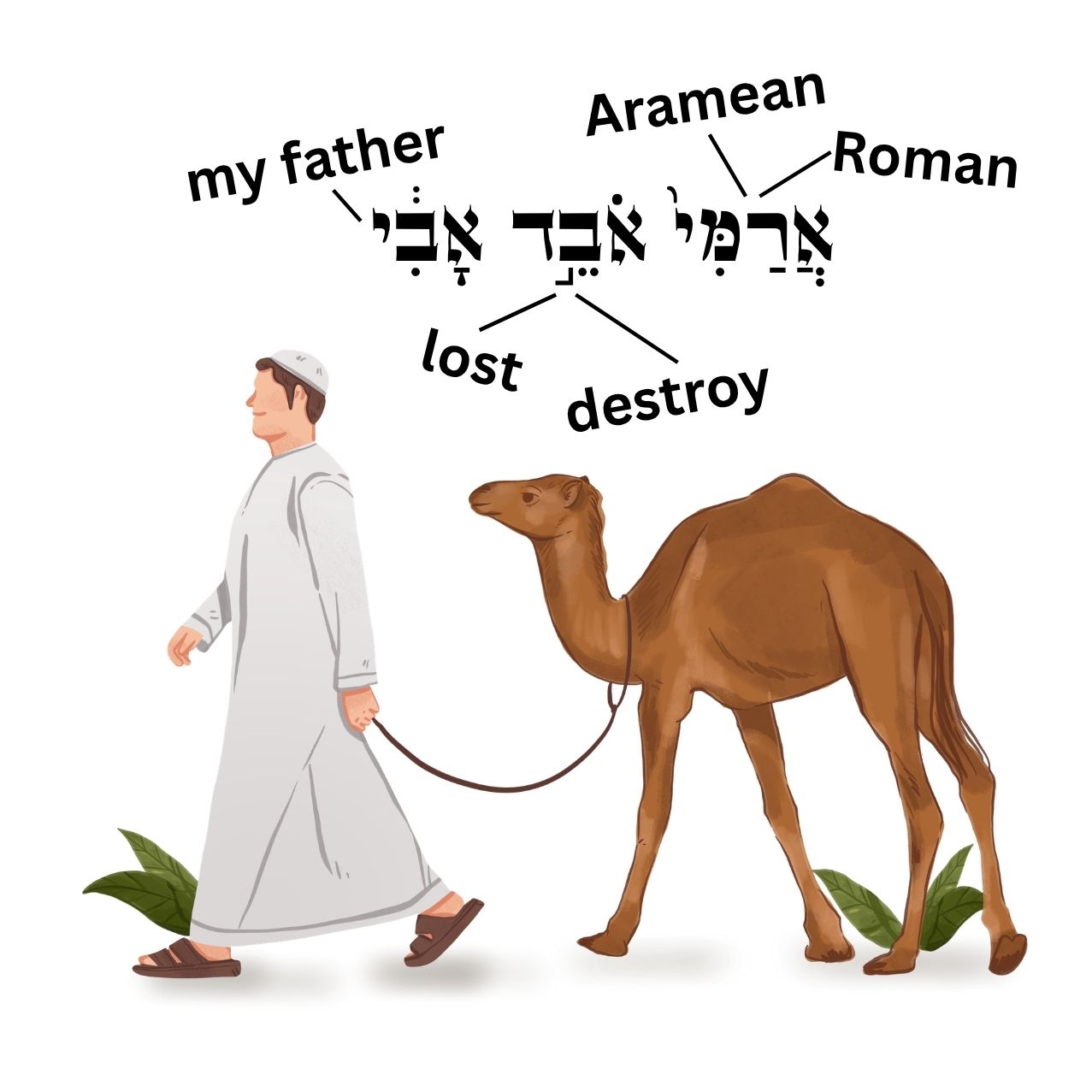
The heart of the traditional Seder rests on a bunch of puns – which seems particularly appropriate for this year, as our Passover begins on April Fools’ Day.
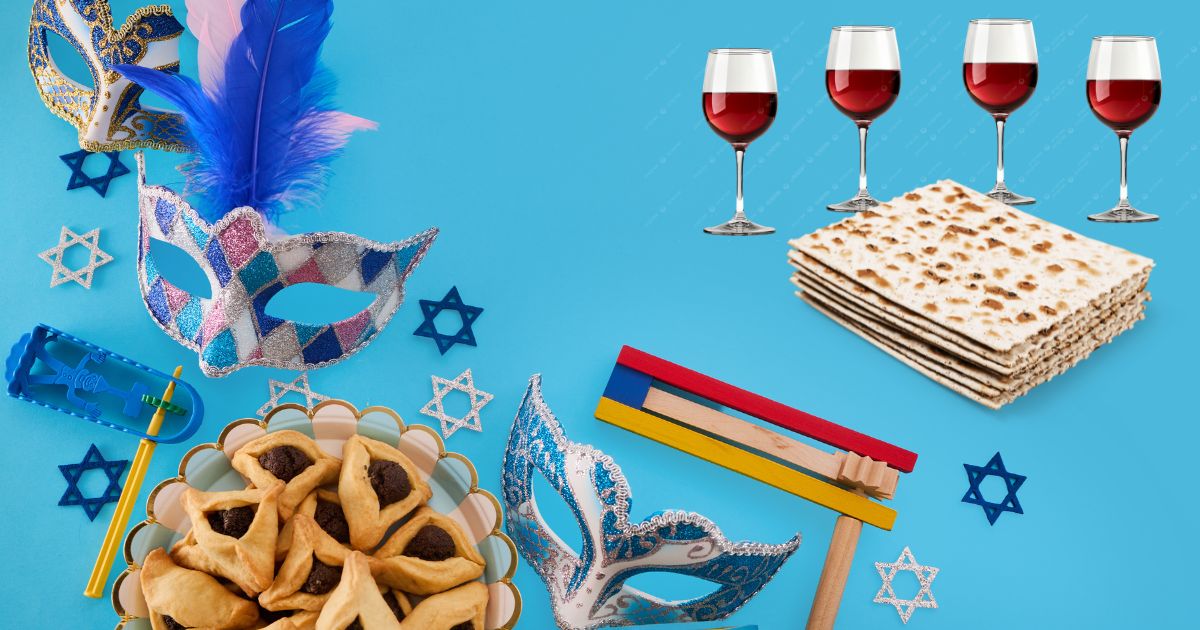
“They tried to kill us. They failed. Let’s eat!”
If that’s not what all Jewish holidays are about, certainly the two major spring celebrations, Purim and Passover, fit the bill. And yet, we don’t tend to think of them as similar. Purim is supposed to be a rowdy public party, while Passover is a leisurely evening of food and conversation at home. The stories they each tell are also deeply different, but in ways that might not be obvious, and which I would like to suggest shed light on each other.

The book of Exodus presents two models of fund-raising for the building of the Mishkan. In the first, people are called upon to donate what their heart is moved to give. In the other, each person makes the same minimal donation. What can we learn from these two models, as we work to raise funds for our own sanctuary?
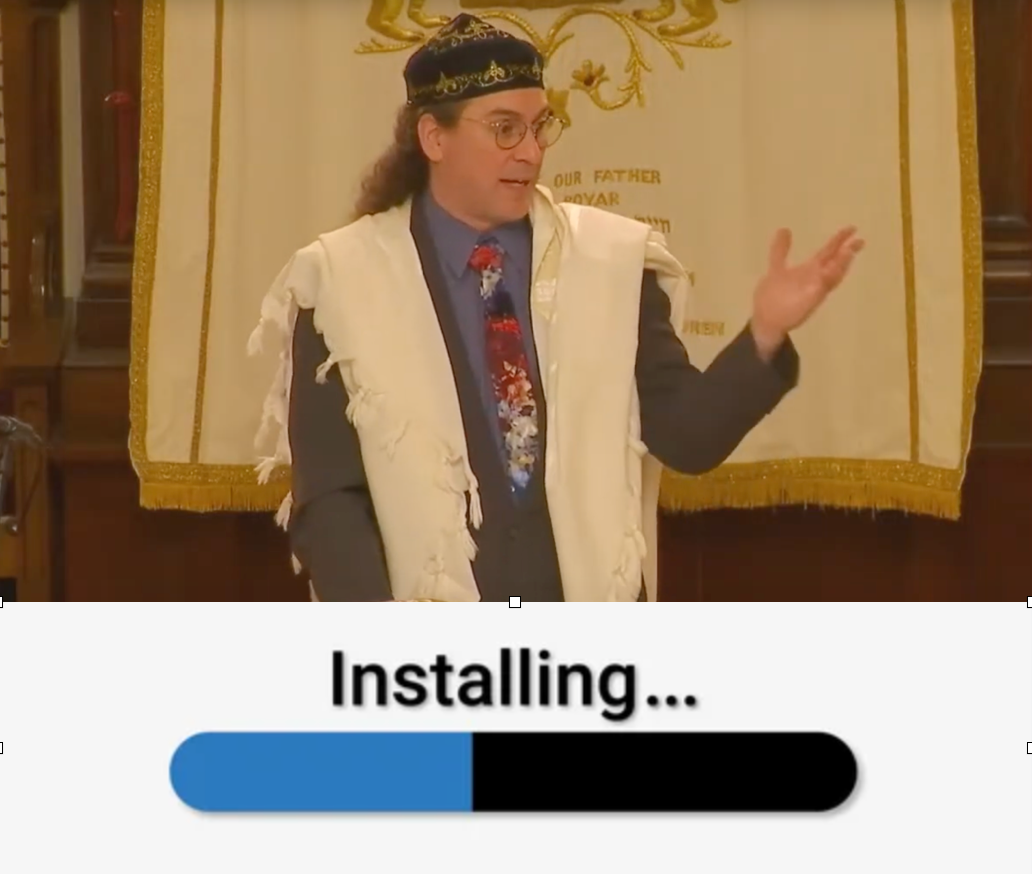
“If you’re having trouble installing your rabbi, try rebooting the congregation!”
My brother-in-law thinks he’s very clever.
But I have to admit I like his joke better than the more common ones about installing air conditioners and ceiling fans. It’s not a terrible analogy to say that a rabbi works in the operating environment of a congregation and its board, as we work together to address the needs of the community.
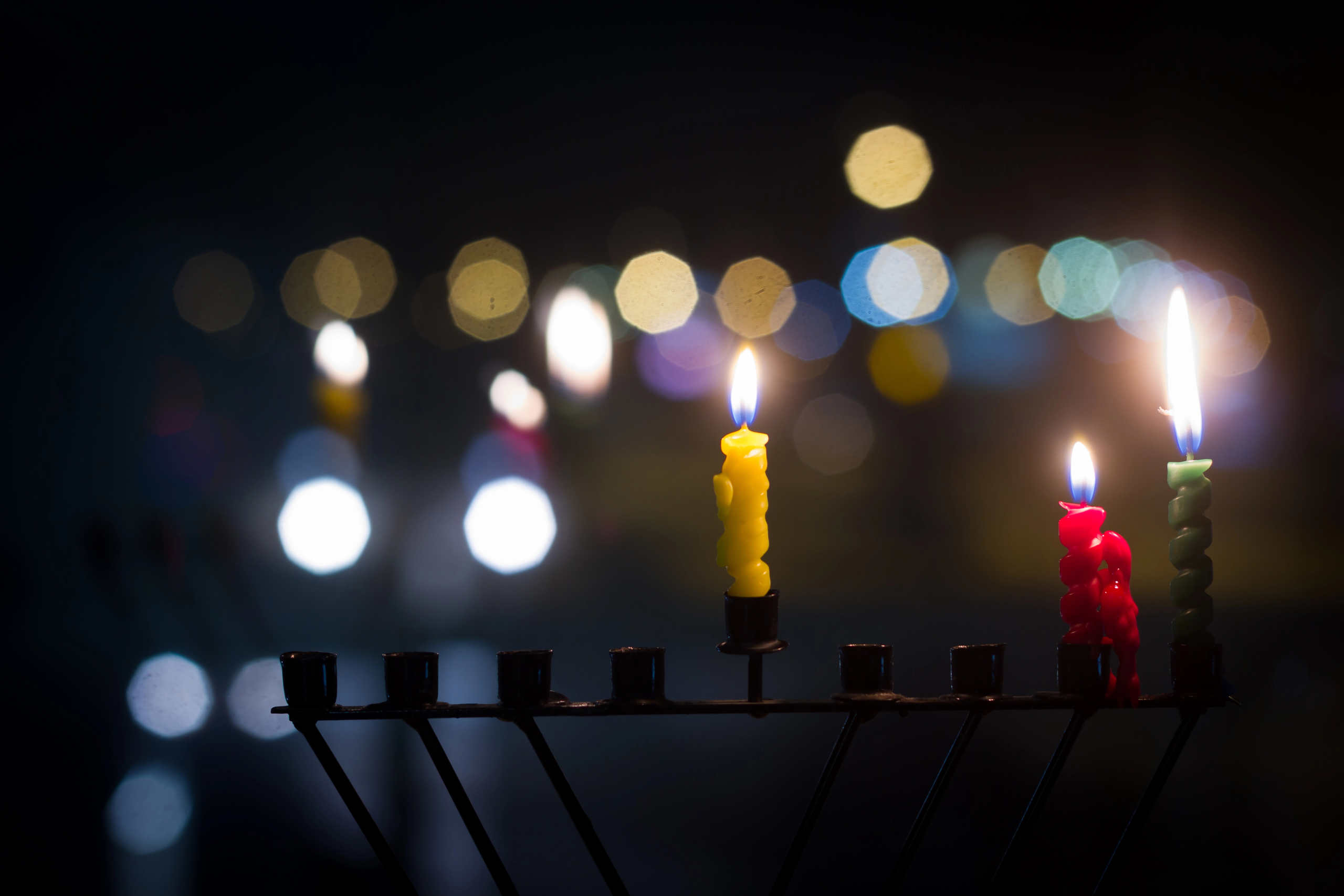
I’ve often wondered why Jewish homes are rarely among the most brightly lit this time of year, given that Hanukkah is the “festival of lights.” When I was growing up in Israel, we celebrated with pyrotechnics that could be seen from miles away! Public menorah lightings aside, here in the US, Hanukkah is more commonly observed with warm, private festivity.
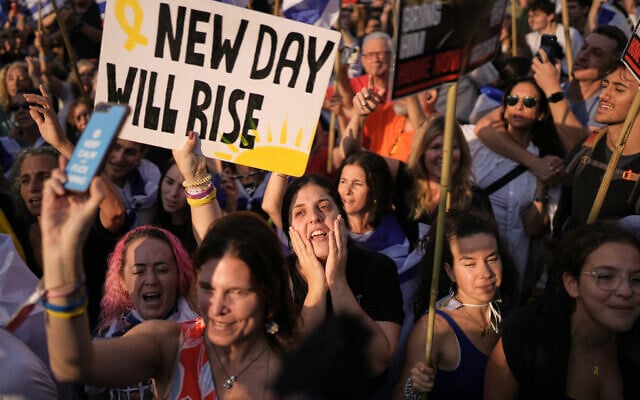
The day the hostages returned, I experienced a sense of joyful relief — like I could release a breath I didn’t know I had been holding for the past two years. And yet, my joy could not be complete. Too much has been lost since October 7, 2023. Our tradition is practiced in mixing sorrow with joy. On Simchat Torah, we said kaddish before our dancing.
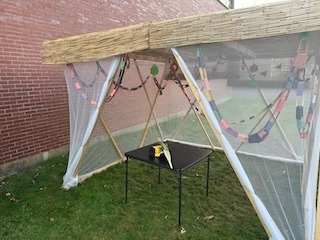
We’ve been singing the verse, Achat sha’alti from psalm 27 since the beginning of Elul, a full month before Rosh Hashanah, and it will remain with us through Simchat Torah at the end of Sukkot. But what does it really mean?


